


THOUGHTBLUDGEON GUILD

Exoprimal was built using Capcom’s proprietary RE Engine, which is surprising considering the other Capcom games that have used the engine are quite different. The first game to publicly use it was Resident Evil 7: Biohazard, which caused many to dub the engine the Resident Evil engine, which is not what the ‘RE’ stands for. Instead, the acronym is confusingly shorthand for Reach for the Moon. In Japan, the Resident Evil series is called Biohazard, which is why Exoprimal technical director Kazuki Abe is surprised that anyone ever thought the engine was named after the survivor horror series . “It’s really just a matter of coincidence that Resident Evil games are also developed using this engine.”
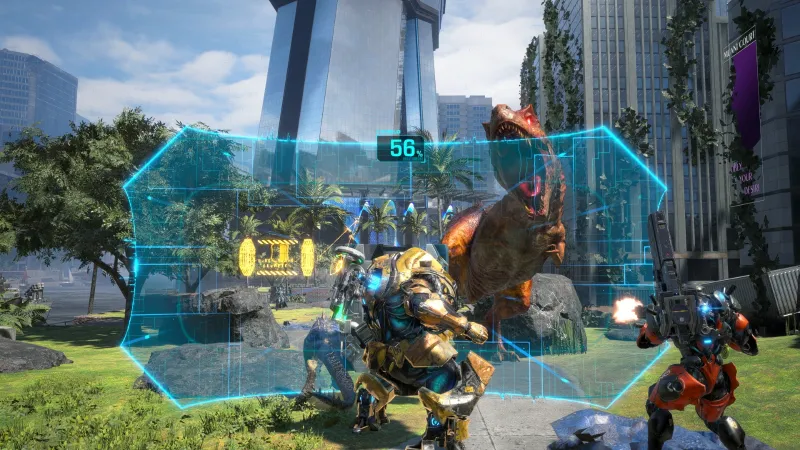 Exoprimal
Since Resident Evil 7, RE Engine has been used to develop Resident Evil Village, the Resident Evil 2, 3, and 4 remakes, Devil May Cry 5, Ghosts’ n Goblins Resurrection, Monster Hunter Rise, Capcom Arcade 2nd Stadium, Street Fighter 6, and the multiplayer Resident Evil Re:Verse. It is also the engine used to develop Pragmata, Dragon’s Dogma II, and Onimusha: Way of the Sword.
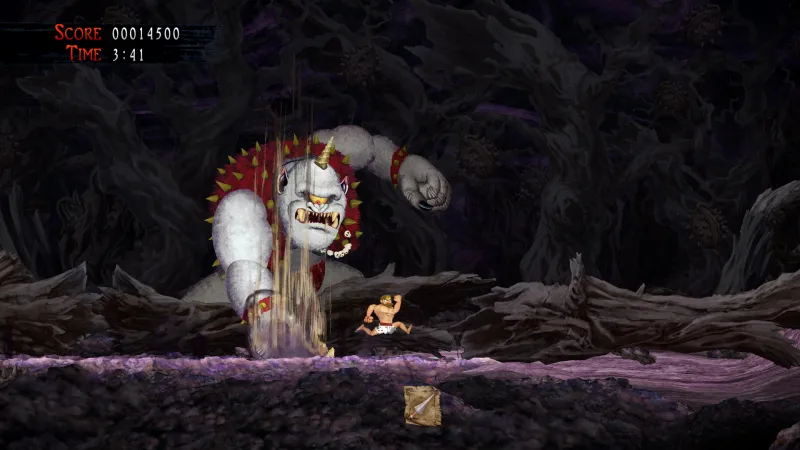 Ghosts 'n Goblins Resurrection
Its versatility and flexibility are impressive, thanks to the RE Engine team being in-house at Capcom. It means that if a Capcom game needs the engine to do something specific for the game being made, the team can go directly to the source and have it added. For example, the Onimusha team needed a Dynamic Dismemberment System, so they put in a request to the internal engineers at Capcom. Rather than putting a game in an engine, the RE Engine can pivot and mold around the game based on needs. “If certain components for the game don’t exist in our engine already, the RE Engine team can work to implement those features to allow those things to become possible,” Abe says.
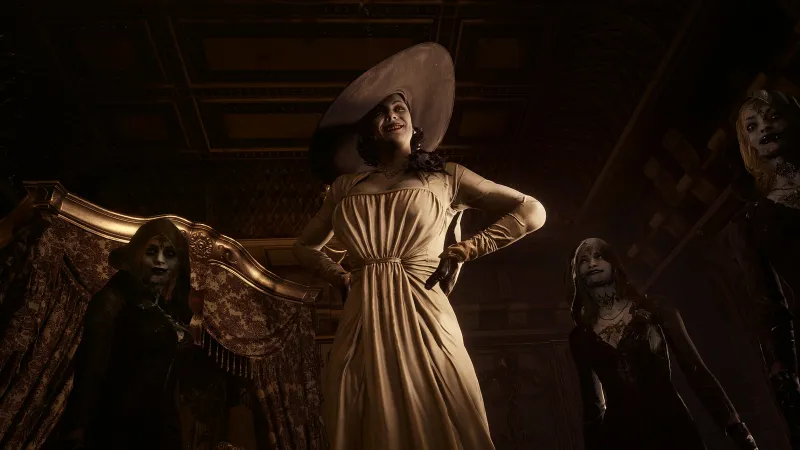 Resident Evil Village
The Exoprimal team was less confident about where the RE Engine logo came from, which features a creepy, slightly misshapen hand reaching for the sky, silhouetted in front of the moon. “The idea of the orientation logo with the hand reaching up is the idea that as an engine, the game that you envision, creating the dream that you have for game development, is just within reach,” Abe says. “And by reaching out with this engine, you can grab it, reach it, and make it happen. This is entirely hearsay. Not entirely sure if this is true, but that is the idea behind the visual for the art engine logo.”
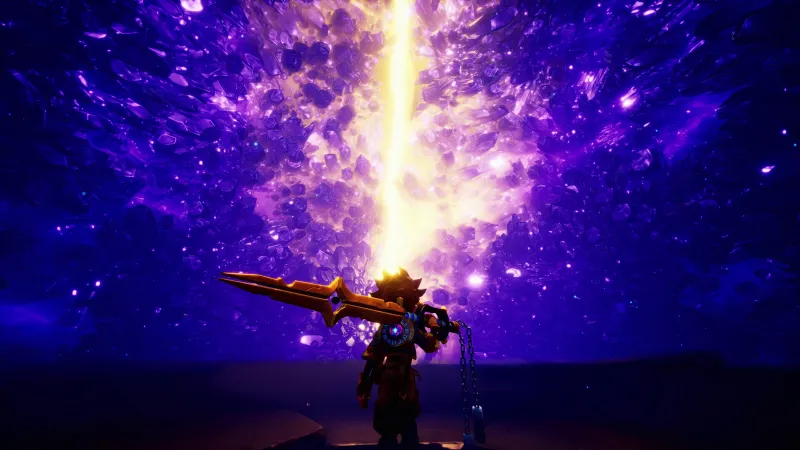
This weekend we are suggesting a lot of new games that are heavily inspired by specific old games. Agent 64 and Wild Blue Skies are GoldenEye/Perfect Dark and Star Fox 64 throwbacks, respectively. Even Duskfade has some real original Kingdom Hearts energy to it, though it is more of an action platformer than an action-RPG.
But we also have a new Madden, which I suppose you could make an argument is technically a remake of an old game. It's just one they've been remaking for a really long time. You can read our Madden review here, which has an exciting byline if you've been a fan of Game Informer for many years; we're happy to have new words on the site from Matthew Kato!
Before we get to our weekend suggestions, here are some of the biggest stories we posted this week.
Finn Wolfhard Prefers Grass Type Pokémon And Classic SNES RPG SoundtracksWild Blue Skies Review – Bland HomageFire Emblem: Fortune's Weave Preview – A Slow Build That Hasn't Quite Hooked Me Yet (But I Want To Keep Playing)Star Wars Zero Company – XCOM Meets Star Wars In The Best Way PossibleCapcom Had To Ask RE Engine Engineers To Create The ‘Dynamic Dismemberment System’ For Onimusha: Way Of The SwordOnimusha: Way Of The Sword Isn’t An Open World Game, And It Isn’t A Soulslike Either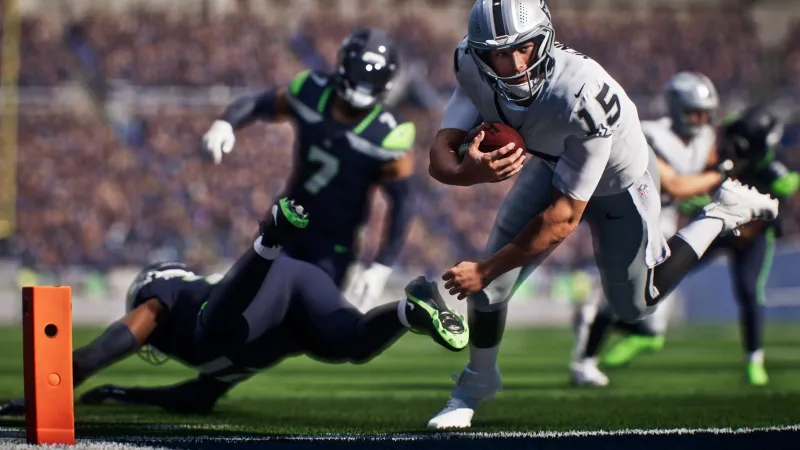 Madden NFL 27
Brian Shea
Each year, EA Sports puts out a new Madden around this time, and, like clockwork, here we are with Madden NFL 27. This year's entry continues building on the longstanding gameplay of the franchise, giving you the rush of driving your team down the field or stopping your opponents from getting in the endzone. New additions include timing-based gameplay mechanics, more in-depth contract negotiations, and more fleshed out customization in Ultimate Team. The NFL season is right around the corner, so if you're looking for ways to start getting excited about your team's campaign (or try and chart a better path than your real-world team's current trajectory), Madden NFL 27 is a fine way to do just that.
Madden NFL 27
Brian Shea
Each year, EA Sports puts out a new Madden around this time, and, like clockwork, here we are with Madden NFL 27. This year's entry continues building on the longstanding gameplay of the franchise, giving you the rush of driving your team down the field or stopping your opponents from getting in the endzone. New additions include timing-based gameplay mechanics, more in-depth contract negotiations, and more fleshed out customization in Ultimate Team. The NFL season is right around the corner, so if you're looking for ways to start getting excited about your team's campaign (or try and chart a better path than your real-world team's current trajectory), Madden NFL 27 is a fine way to do just that.
 Super Mario Sunshine
Charles Harte
It goes without saying that Mario games are some of the most beloved in the entire hobby, so it's always been surprising to learn just how difficult some of them have been to acquire legitimately. Super Mario Sunshine, which got added to the Nintendo Switch Online library this week, is probably the best example. While it was first released on GameCube in 2002, it wasn't ported to any other console for nearly two decades, making copies difficult to find. In 2020, Nintendo finally released the Super Mario 3D All-Stars collection for the Switch, including Super Mario 64, Super Mario Sunshine, and Super Mario Galaxy, but for reasons none of us can quite understand, the game was only available to buy for roughly six months, from September 2020 to March 2021. So while Super Mario Sunshine is likely neither the best nor most popular game in the series, it is maybe the most sought after. Whether you're revisiting it or checking it out for the first time, its addition to the NSO library means it's easily accessible for the first time in years.
Super Mario Sunshine
Charles Harte
It goes without saying that Mario games are some of the most beloved in the entire hobby, so it's always been surprising to learn just how difficult some of them have been to acquire legitimately. Super Mario Sunshine, which got added to the Nintendo Switch Online library this week, is probably the best example. While it was first released on GameCube in 2002, it wasn't ported to any other console for nearly two decades, making copies difficult to find. In 2020, Nintendo finally released the Super Mario 3D All-Stars collection for the Switch, including Super Mario 64, Super Mario Sunshine, and Super Mario Galaxy, but for reasons none of us can quite understand, the game was only available to buy for roughly six months, from September 2020 to March 2021. So while Super Mario Sunshine is likely neither the best nor most popular game in the series, it is maybe the most sought after. Whether you're revisiting it or checking it out for the first time, its addition to the NSO library means it's easily accessible for the first time in years.
 Duskfade
Matt Miller
Duskfade
Matt Miller
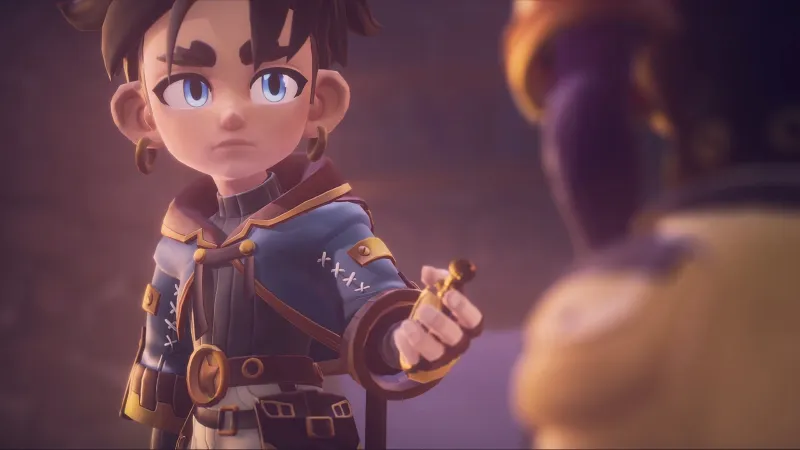
If you've longed for the glory days of 3D action/platformers with cartoony characters, and you also can never shake that feeling that you wish Kingdom Hearts would just have another entry for you to play, then, wow, is this a good week for you. Duskfade wears its inspirations on its sleeve, offering a generally lighthearted romp through a colorful world, and plenty of pretty vistas to catch they eye.
The story is trite and simple, and the action sometimes feels a little floaty by modern standards. But it's all pretty much in line with expectations you might have if these sort of platformers were the games you enjoyed years ago. Set expectations accordingly, and it could be a wonderfully nostalgic ride to fill your weekend.
 Wild Blue Skies
Kyle Hilliard
Wild Blue Skies
Kyle Hilliard
I admit that Wild Blue Skies did ultimately disappoint me. You can read my review right here where I wrote, "Bowie and pals’ adventure successfully impersonates the Star Fox 64 experience, but it’s an underwhelming impression. Nostalgic moments and satisfying action appear occasionally, but it pays homage to a fault and doesn’t find space to present its own personality. It has the unfortunate timing of releasing and being compared to this year’s Star Fox on Switch 2 – an excellent remake of Star Fox 64. But even if I did not have that game in my immediate memory, I would be hard-pressed to identify anywhere that it has improved on the genre with design lessons learned since 1997, or even risen to meet the ones that already existed even 30 years ago."
Now, with all that said, I never want to turn someone away from a game that might appeal to their sensibilities. There is some real Star Fox 64 energy and flavors here, and unlike the Switch 2 Star Fox remake from earlier this year, it is all new levels, characters, and story. It may look a lot like the Star Fox universe, but it is undeniably its own thing.
 Agent 64: Spies Never Die
Kyle Hilliard
Agent 64: Spies Never Die
Kyle Hilliard
Released earlier this week on August 11, Agent 64: Spies Never Die is a transparent throwback to the Nintendo 64 Rare first-person shooter. If you love GoldenEye or Perfect Dark, take a look at Agent 64. It has low-poly graphics, the ability to hold all the guns you can carry, secret agent stuff, and enemies that roll into your line of fire, get shot while standing up, and then immediately fall over – all the hits, basically. It even zooms into the back of the player's head at the start of each level. It's wonderfully nostalgic and doesn't concern itself too much with modern quality-of-life upgrades (though you do play with both control sticks).
 Tabletop Pick – Dragon Eclipse
Matt Miller
Tabletop Pick – Dragon Eclipse
Matt Miller
The tabletop world has seen no recent shortage of impressively large and robust board, miniature, and card games that carry a high price tag, but also deliver many hours of premium gameplay and storytelling. It's somewhat less common to find games of that caliber that are also relatively easy to learn and play, even for slightly less experienced players. One of my recent favorites in this regard is Dragon Eclipse, from the prolific team over at Awaken Realms. It's a cooperative campaign game specifically built to be played solo or with a partner.
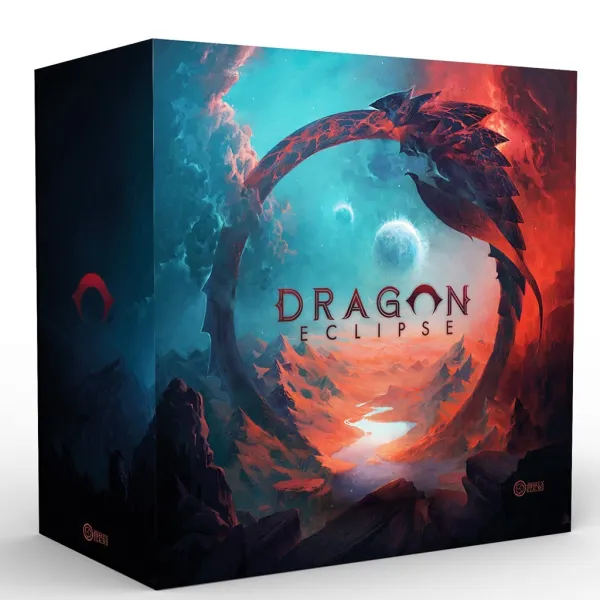
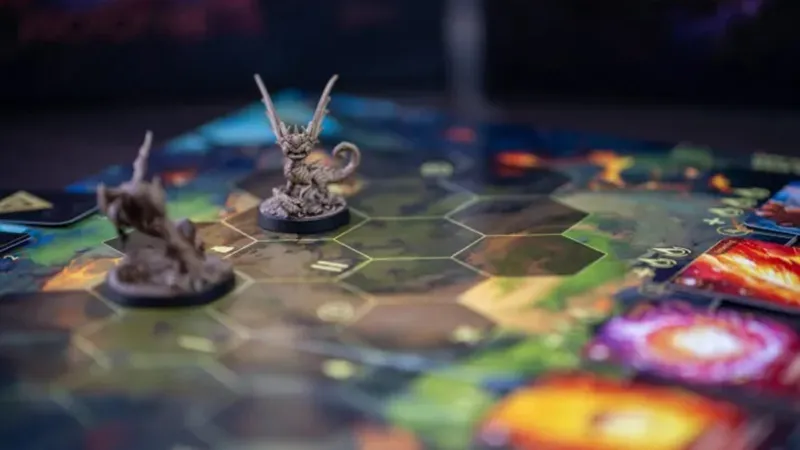
You tame magical elemental creatures and set out to save your town while gradually unfolding a narrative, exploring a fascinating world, and confronting tactical combat scenarios. It's a gorgeous game laid out on the table, featuring evocative card art, incredibly detailed models/miniatures, and it's one of those games in which you always feel like you're making interesting decisions to push things forward. Beyond the campaign, it also includes modes of play for both competitive action and an interesting roguelite mode. Dragon Eclipse can be tricky to track down, but as of this writing, I've still found several stores carrying copies. It could easily become a new favorite if you're ready for diving deep into something new.
For more weekend gaming recommendations, follow the link!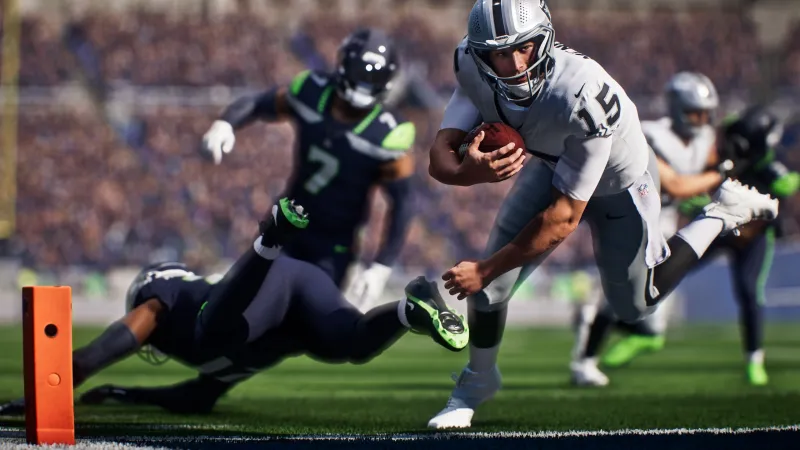
Reviewed on: PlayStation 5 Platform: PlayStation 5, Xbox Series X/S, PC Publisher: Electronic Arts Developer: EA Orlando Release: August 13, 2026 Rating: Everyone
This year, the Madden franchise is hunting down the field for a quick strike to jumpstart itself and excite fans. In recent iterations, progress has come in fits and starts, so this year's game is taking some big swings in its Franchise and Ultimate Team modes. Unfortunately, despite having all the tools on paper, not all of the game’s attempts pay off.
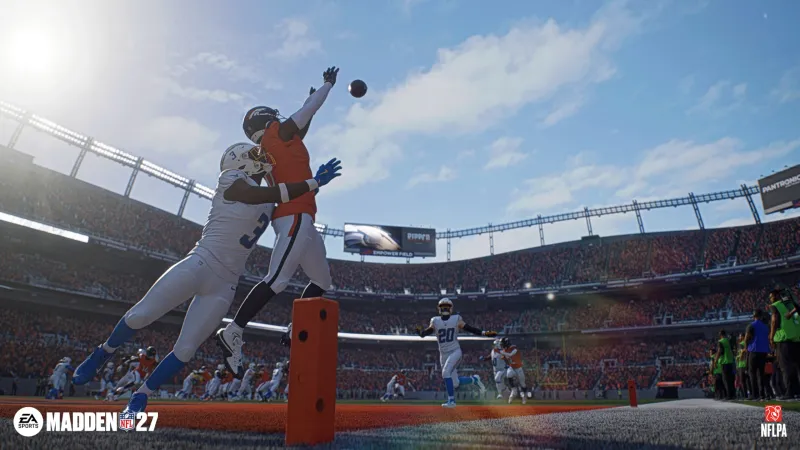
Gameplay remains a strong component of the series, delivering a satisfying feeling on the sticks in the running game and animations that often look realistic. This is bolstered by the addition of the optional catch meter from College Football. It – along with more interplay between receivers and defensive backs – creates some satisfying moments when you get the timing correct and haul in or break up a pass. CPU defenses can be nice and aggressive, but hopefully play-action passes are soon tweaked, because right now your QB gets blasted too often.
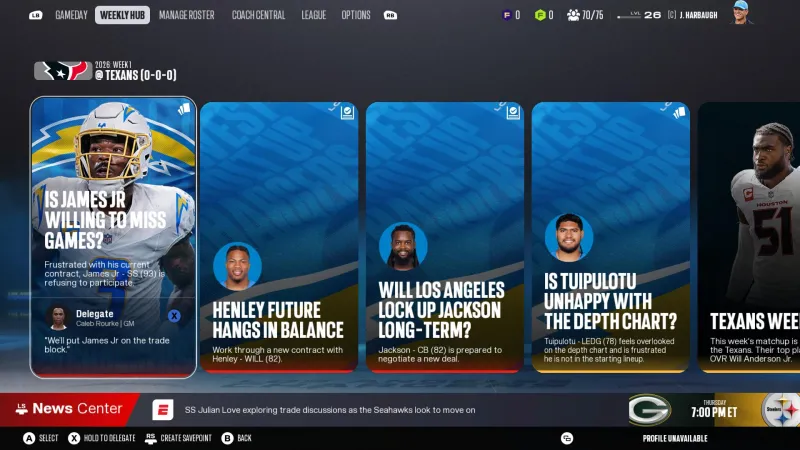
The big addition to Franchise mode is the Persona Engine, which tries to add some personality to how CPU players, and thus their teams, act. This is paired with increased options that produce a more involved back-and-forth between teams and players for contracts and free agency.
However, players’ DNA tags change as you progress through the negotiation rounds. One second the total salary amount is “critical” to them, the next it’s not; it feels like you’re getting the runaround. Each round, you have five different pitches you can deliver, but they are deployed in a similar pattern, so it can be frustrating when you want to bump up their bonus, for example, but it’s arbitrarily not an option in this particular round.
The worst thing is that the mode’s underlying logic is still confusing. CPU teams can’t manage their salary cap or draft properly, and simmed stats get wonky. The new Free Agent Frenzy fizzles out quickly as the process feels like a black box where players inexplicably sign with other teams no matter what contract you offer.
Even with more player-centric events to react to and news flashes to keep you up on what’s happening in the wider league, the mode still doesn’t capture the drama of the NFL. That the most exciting thing that happened during my multiple Franchise runthroughs was I talked a player out of retirement is a testament to how uneventful the mode often is. You can see that the mode can be fun and is taking steps in the right direction with this year's changes, but it's also clear it isn't delivering on its potential, which is a shame.
The career-focused Superstar mode does not have as many new features. You can now play as a tight end, safety, and edge rusher, but the experience is still best as a QB or running back. There’s also a battle pass, which is optional, but adds frustrating monetization and multiple in-game currencies to a completely offline mode in a full-priced title.
As your standing with your team balloons, so too does your influence; I enjoyed being able to eventually influence who my team signed in free agency. But what’s really needed is the feeling that you’re living the life of an NFL player. Even the ups and downs of playing your position isn’t fully captured because objectives don’t evolve as your career progresses. This means any sense of storytelling stops as soon as you complete that game’s objectives.
Ultimate Team arguably contains the largest change for this year’s Madden. Similar to EA FC, you can improve players by purchasing Evolutions. You can also choose your own captains to upgrade, and certain players get better when you complete their objectives. The rub is that which attributes are actually upgraded when you spend a skill point is randomized within specific buckets.

You can re-roll upgrades at the cost of the free, in-game UT Coin currency, but this will act as a Coin sink as players inevitably chase upgrades for the most desired attributes like speed. While this year’s additions undoubtedly increase your ability to customize your roster and should make the cards you choose more useful compared to the progression curve for longer, it will also further the grind and meta chase.
Adding features to a game is about more than simply making it different from last year; it should be about tweaking and improving upon previous years’ entries with the aim toward creating an unmissable experience. In Madden NFL 27, that can happen on the field itself via gameplay, but when it comes to being the coach/GM of a team or its superstar, it doesn’t fully deliver.
Score: 6.75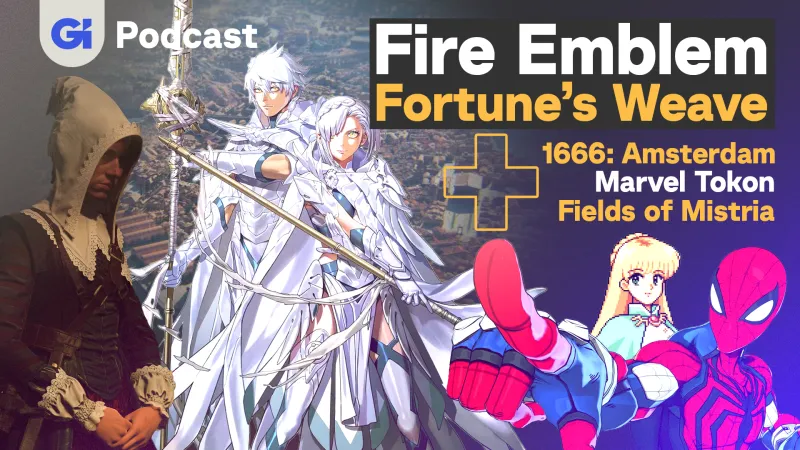
We may be halfway through August, but the crushing wave of games trying to get out before Grand Theft Auto 6 is cresting just ahead. So today, on The Game Informer Show, we've got a few looks ahead at some big name titles!
First up, Eric shares his thoughts after some hands-on preview time with Fire Emblem: Fortune's Weave, the massive new installment in Nintendo's strategy RPG franchise. Then, Marcus returns from Amsterdam with impressions of 1666: Amsterdam. I promise, you won't see the turns in that segment coming. After the break, we talk about the launch of Marvel Tōkon: Fighting Souls, and Charles shares some early impressions of the 1.0 launch for Fields of Mistria. Grab a cold drink and listen in!
The Game Informer Show is a weekly podcast covering the video game industry. Join us every Friday for chats about video game reviews, news, and exclusive reveals alongside Game Informer staff and special guests from around the industry. Support the show by subscribing to our physical video game magazine!
Watch or Listen Here: Listen to "Fire Emblem: Fortune's Weave + 1666: Amsterdam Previews" on Spreaker.Follow our hosts:Marcus Stewart (@marcusstewart7)Charles Harte (@chuckduck365)Eric Van Allen (@seamoosi)Jump ahead using these timestamps:00:00 - Intro04:27 - Fire Emblem: Fortune's Weave28:21 - 1666: Amsterdam1:01:08 - Marvel Tōkon: Fighting Souls1:29:56 - Fields of Mistria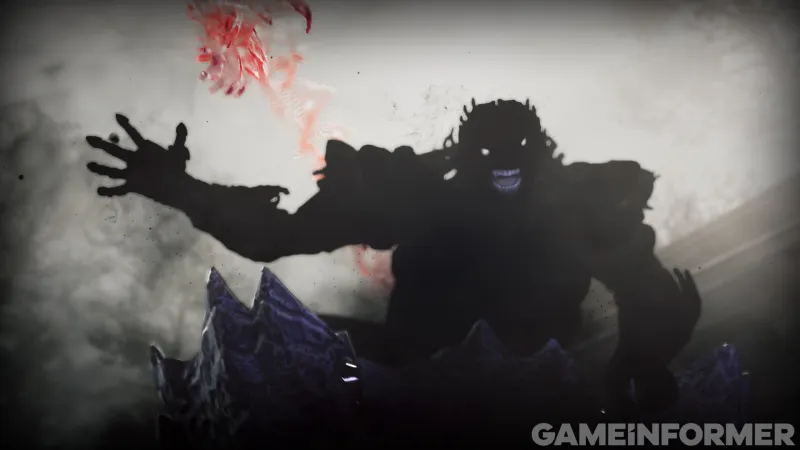
Capcom’s samurai action series, Onimusha, has been around for more than two decades… kinda. The first game, Onimusha: Warlords, arrived in 2001, and within the next five years, three more mainline games were released. The last one launched in 2006, and it’s been 20 years since without a sequel. Onimusha: Way of the Sword is set to change that when it launches next month, and ahead of that launch, it is the latest game to grace the cover of Game Informer (and subscribers can read the cover story right here).
I traveled to Osaka, Japan, to visit Capcom’s HQ, play never-before-seen parts of the game for hours, and interview the team making it. As a fan of the series, it’s clear to me that the “dark-fantasy” through line in the first four Onimusha games continues in Way of the Sword. That was particularly showcased in one section of the game I played through, which took protagonist Miyamoto Musashi into the underground lab of an evil Genma named Dokyo. There, the game’s dark-fantasy feel crossed over into full-on horror. Despite a couple of hours of gameplay that resembles a horror game, Capcom says Way of the Sword is not a horror game.
This Dokyo, highlighted in the Game Informer video above, is a particularly twisted Genma. She kidnaps people – including children – and experiments on them to create new Genma by fusing them with animals. In one scene, she hoists a man fused with a large pig into the air before disposing of him in bloody fashion. She can’t do this in the broad daylight of Way of the Sword’s early Edo-period Kyoto, so in typical Capcom fashion, the team created an underground lab befitting the demon.
“There was not really an intention to make a horror game [...] but with trying to build the character of Dokyo, in particular, we wanted to really showcase her twisted nature and that unsettling side of her and combine it with the strange and eerie occult side of Kyoto myths,” lead writer Hiroshi Yamashita tells me, explaining why Dokyo’s lab feels like a horror level within an otherwise non-horror game. He adds that the scares of this lab – which, mind you, does feature jump scares that got me once or twice – are not indicative of the full game but rather just this specific stage built around Dokyo’s more gruesome nature.
Way of the Sword director Satoru Nihei describes this stage as one of the more horrific in the game's dark-fantasy action experience, likening it to a “classic Japanese ghost house.” Somewhat familiar with this subgenre of Japanese horror, it’s clear in what ways: shadows on the lab’s shoji highlight horrific body mutations and animal experiments gone wrong, and the halls are dripping with blood that shimmers in the soft glow of nearby torches. Once-beautiful kimonos hang from the rafters above, and it’s evident they used to belong to the subjects screaming in agony throughout this stage. Even Dokyo herself is designed in a horror-infused way, with elongated appendages, a shrill and petulant personality, and the way she speaks as a mastermind of the maze that is her underground lab (which, during Way of the Sword, you are clearly trapped in).
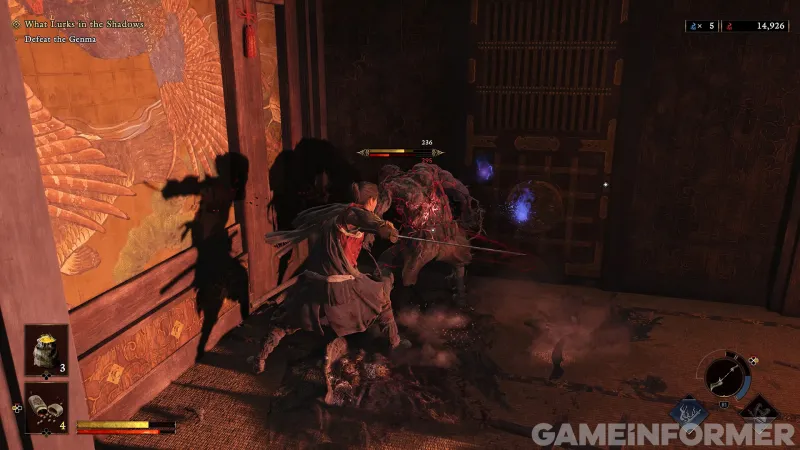
Nihei says this specific stage heightens the anxiety and tension Musashi and Shizuka, the mysterious and ethereal woman trapped in his Oni Guantlet, are feeling, which is why the team “thought this [horror-inspired stage] was a good way to explore those feelings and contrary states in the setting.” There’s also contrast in Dokyo herself, who is quite demonic and inhuman in appearance, but speaks in English/Japanese and dons a beautiful kimono as if she’s a woman.
I came away from my time playing Way of the Sword most enamored with Dokyo – she’s unsettling and twisted, but very compelling and absolutely a scene-stealer in the game. I look forward to seeing more of the horror her stage promises, as well as the other parts of the game where dark fantasy morphs into something closer to Capcom’s Resident Evil series. Fortunately, I don’t have to wait too long because Onimusha: Way of the Sword launches on September 4.
I’ll continue diving deeper into Capcom’s return to Onimusha as part of Game Informer’s month of Way of the Sword coverage. We’ll be publishing exclusive gameplay and behind-the-scenes videos (including a Rapid-Fire Interview) on the Game Informer YouTube channel as well. Keep an eye on the Onimusha: Way of the Sword coverage hub so you don’t miss any of it.
In the meantime, here’s some additional Onimusha: Way of the Sword reading for you:
What We Learned About Shizuka, The Mysterious Woman Living In Musashi’s Oni Gauntlet In Onimusha: Way Of The SwordOnimusha: Way Of The Sword Isn’t An Open World Game, And It Isn’t A Soulslike EitherHere’s What The Genma Are Up To This Time In Onimusha: Way Of The SwordCapcom Had To Ask RE Engine Engineers To Create The ‘Dynamic Dismemberment System’ For Onimusha: Way Of The SwordHow Capcom Created Its Own Version Of Legendary Samurai Miyamoto Musashi In Onimusha: Way Of The SwordHow Capcom Reinvented And Updated Onimusha’s Combat In Way Of The SwordOnimusha 2 Director Motohide Eshiro On Way Of The Sword’s Resurrection Of The SeriesA Look Back On The First Two Onimusha Games With Planner And Director Motohide EshiroHere’s How The Late Japanese Actor Toshirō Mifune Became The Face Of Musashi In Onimusha: Way Of The SwordCapcom Says Onimusha: Way Of The Sword Success Being The 'Pinnacle Of Swordplay Action Games' Is What Success Looks Like After A 20-Year GapThere Are No Minigames In Onimusha: Way Of The Sword, But It Sounds Like The Phantom Realm Is BackPuzzle Boxes Are Gone In Onimusha: Way Of The Sword, But Bigger Environmental Puzzles Have Taken Their PlaceOnimusha: Way Of The Sword Isn’t Connected To Previous Games, But There Are HomagesHow Capcom Decided On Miyamoto Musashi For Its Onimusha: Way Of The Sword ProtagonistWhy Kyoto Was The Perfect Setting For Onimusha: Way Of The SwordWhy 2026 Was The Year To Bring Onimusha Back After A 20-Year GapHow do you feel about the horror elements of the Onimusha series? Let us know in the comments below!
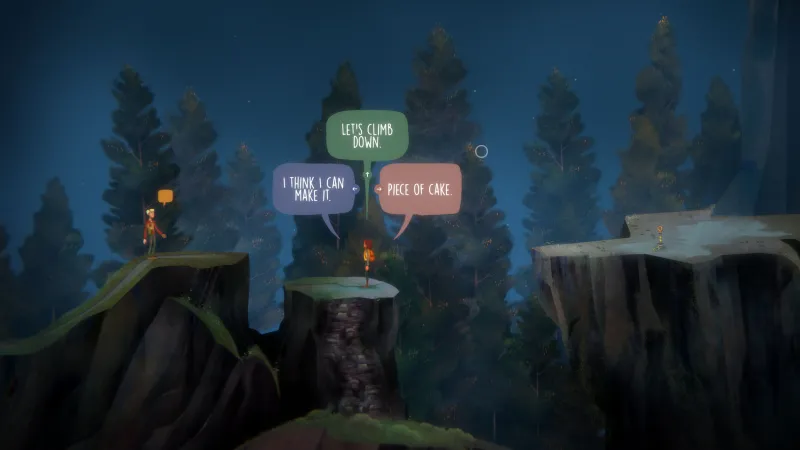
Netflix has spent the last five years attempting to expand its chokehold on the film and television industry into the video game space, but it's had limited success. Today, Game File reports that the streaming giant is receding from the gaming world a little more by closing two studios: Moonloot, which had yet to release a game, and Night School, known for its work on Oxenfree and Afterparty. Netflix is also cutting staff from its internal team, though it "declined to say how many jobs were being lost" when speaking to Game File.
Moonloot is a Helsinki-based team, founded in September of 2022 and led by Marko Lastikka, who had experience working at Zynga and EA in the years prior. Unfortunately, Moonloot never got the chance to release a game.
Meanwhile, Night School made a name for itself long before its Netflix acquisition, releasing Oxenfree in 2016 and Afterparty in 2019. Under Netflix, it also released Oxenfree II: Lost Signals in 2023, Thronglets in 2025, and Unhinged, which launched very recently, on June 30. Game File reports that Netflix co-CEO Greg Peters praised Unhinged in a recent investor call, but given today's news, it seems Netflix was still dissatisfied with Night School.
The indie studio's acquisition in 2021 was one of Netflix's earliest investments in the world of video games, so closing the studio is a significant step. Game File says Netflix is choosing to focus its future efforts on "kids gaming, party games, story-driven fare and games with mainstream hooks, such as a recently released FIFA game."
Studio closures and mass layoffs have sadly become commonplace in the video game industry over the past several years. Earlier this week, Directive 8020 developer Supermassive had its third wave of layoffs since 2024. Earlier this year, Battlefield Studios had layoffs despite releasing the best-selling game of 2025; Bungie was decimated and Destiny 2 released its final update, and Xbox parted ways with several of its development studios, laying off thousands. That last instance, at least, recently received pushback; just yesterday, Xbox's new CEO visited Bethesda and was greeted by a giant inflatable rat.
If you want to look back on Night School's great games, check out our reviews for Oxenfree, Afterparty, and Oxenfree II: Lost Signals.

Onimusha: Way of the Sword is the latest game to grace the cover of Game Informer, and alongside my cover story, which subscribers can read right here, we’re highlighting many of the things we learned over the next couple of weeks. Already, our hub for the game is chock-full of exclusive features, interviews, and more, with videos on the way.
One of my interviews while visiting Capcom’s HQ in Osaka, Japan, was with Way of the Sword animation team lead Hiroshi Yugen. We spoke about how the team crafted its own unique version of the historical Japanese samurai Miyamoto Musashi, among other topics. We also discussed Capcom’s RE Engine and how it held up for developing Way of the Sword, and learned in the process that the team had to consult engineers within the company to create a brand-new system for the game.
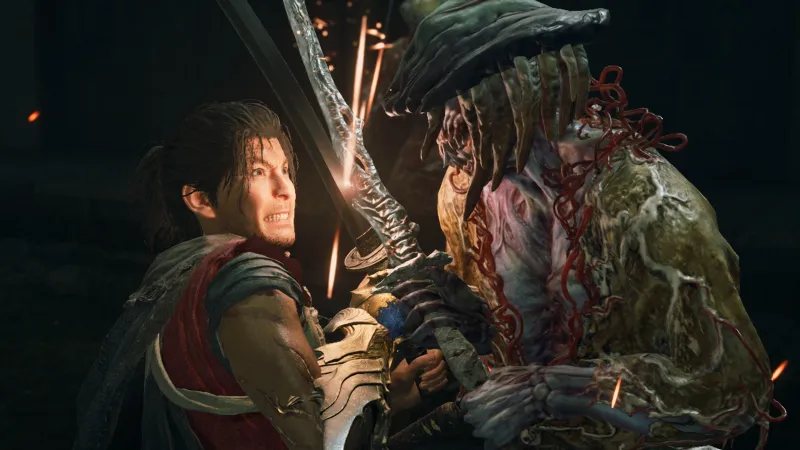
The RE Engine is not the Resident Evil Engine, despite RE typically being shorthand for the series and Resident Evil being Capcom’s most iconic series. The RE Engine, also known as the Reach for the Moon Engine, has been around for more than a decade. Resident Evil 7: Biohazard, which started a renaissance for Resident Evil games and arguably Capcom in general, was the first game to use it; since then, every Resident Evil game has been developed in it, as have other titles: 2023’s Street Fighter 6 and Exoprimal, 2024’s Dragon’s Dogma 2 and Kunitsu-Gami: Path of the Goddess, and last year’s Monster Hunter Wilds. Even this year’s Resident Evil Requiem, Monster Hunter Stories 3: Twisted Reflection, and Pragmata were developed in the RE Engine.
Way of the Sword is the next game Capcom will release, developed using this engine, and I spoke to Yugen about how the engine held up, given that this Onimusha sequel features action much faster than the aforementioned games.
“We didn’t actually have any limitations posed upon us when developing Onimusha using the RE Engine,” Yugen tells me. “On the complete opposite end of the scale, there was actually a new feature that hadn’t been really done in any other game.”
That feature he’s referring to is the Dynamic Dismemberment System. It’s how Musashi can slice Genma enemies in two, slash through flesh that tears apart, and cut through arms, heads, and more. Way of the Sword reacts to that under the hood with visceral animations that create satisfying deaths for every single Genma in the game, assuming you deplete their stamina like a proper samurai and use Break Issen or one of Musashi’s other finishing moves.
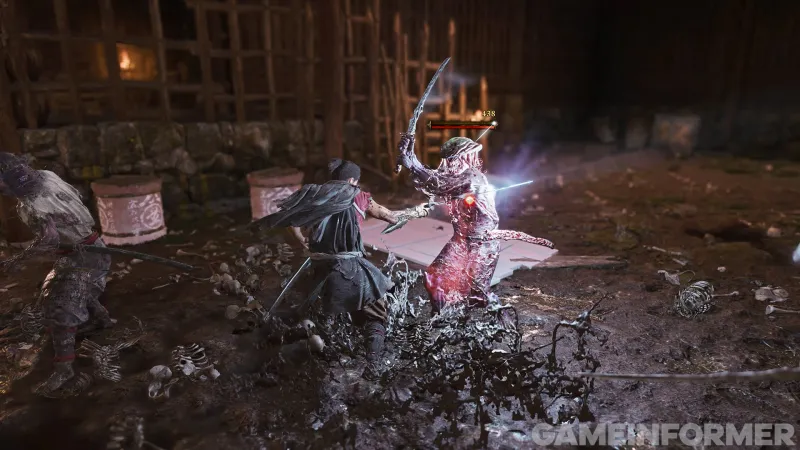
“[This dismemberment] is not something that’s existed in any other title before, and it’s something that, on a technical level, needed to be added to the RE Engine [by Capcom’s engineers],” Yugen says. “Adding this feature was quite difficult because we wanted to combine it with the enemy deaths. In a lot of samurai dramas, they have a very exaggerated classic death where they are on screen for an extra five or six seconds and then slowly fall to the ground. To have that together with this dynamic dismemberment system on a technical level is quite tricky, so it’s something we really had to ask the programmers to introduce.”
He adds that in the early stages of the project, the team attempted dismemberment, but this early iteration caused the enemy to freeze. “It wasn’t animated enough,” Yugen recalls saying. “But I was very adamant. I want them to be moving at the same time as having that effect.”
If you haven’t seen the dynamic dismemberments in action yet, I highly recommend checking out the Way of the Sword demo that’s available right now. Complete a special move, like a Break Issen, and pay close attention to how the Genma’s body and flesh react to Musashi’s attack – it’s grody, but also amplifies the swordplay in a unique way.
I’ll continue diving deeper into Capcom’s return to Onimusha as part of Game Informer’s month of Way of the Sword coverage. We’ll be publishing exclusive gameplay and behind-the-scenes videos (including a Rapid-Fire Interview) on the Game Informer YouTube channel as well. Keep an eye on the Onimusha: Way of the Sword coverage hub so you don’t miss any of it.
In the meantime, here’s some additional Onimusha: Way of the Sword reading for you:
How Capcom Created Its Own Version Of Legendary Samurai Miyamoto Musashi In Onimusha: Way Of The SwordHow Capcom Reinvented And Updated Onimusha’s Combat In Way Of The SwordOnimusha 2 Director Motohide Eshiro On Way Of The Sword’s Resurrection Of The SeriesA Look Back On The First Two Onimusha Games With Planner And Director Motohide EshiroHere’s How The Late Japanese Actor Toshirō Mifune Became The Face Of Musashi In Onimusha: Way Of The SwordCapcom Says Onimusha: Way Of The Sword Success Being The 'Pinnacle Of Swordplay Action Games' Is What Success Looks Like After A 20-Year GapThere Are No Minigames In Onimusha: Way Of The Sword, But It Sounds Like The Phantom Realm Is BackPuzzle Boxes Are Gone In Onimusha: Way Of The Sword, But Bigger Environmental Puzzles Have Taken Their PlaceOnimusha: Way Of The Sword Isn’t Connected To Previous Games, But There Are HomagesHow Capcom Decided On Miyamoto Musashi For Its Onimusha: Way Of The Sword ProtagonistWhy Kyoto Was The Perfect Setting For Onimusha: Way Of The SwordWhy 2026 Was The Year To Bring Onimusha Back After A 20-Year GapWhat do you think of the new Genma designs in Onimusha: Way of the Sword? Let us know in the comments below!
Reviewed on: PlayStation 5 Platform: PlayStation 5, Xbox Series X/S, Switch, PC Publisher: Humble Games Developer: Chuhai Labs Release: August 13, 2026 (PlayStation 5, Xbox Series X/S, PC), 2026 (Switch) Rating: Everyone 10+
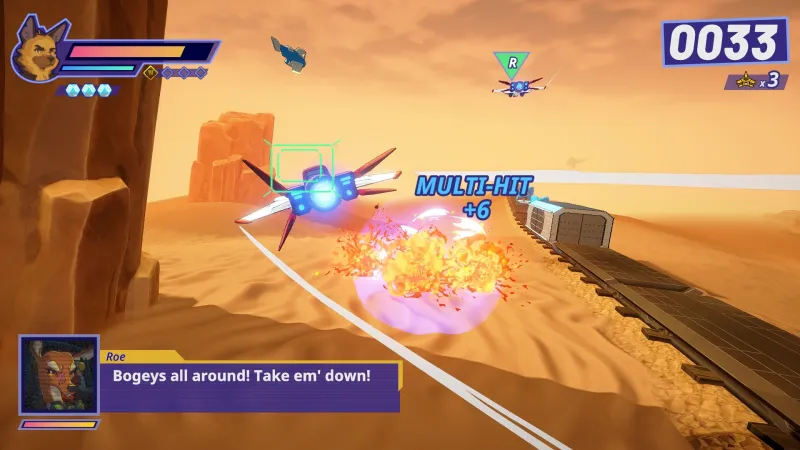
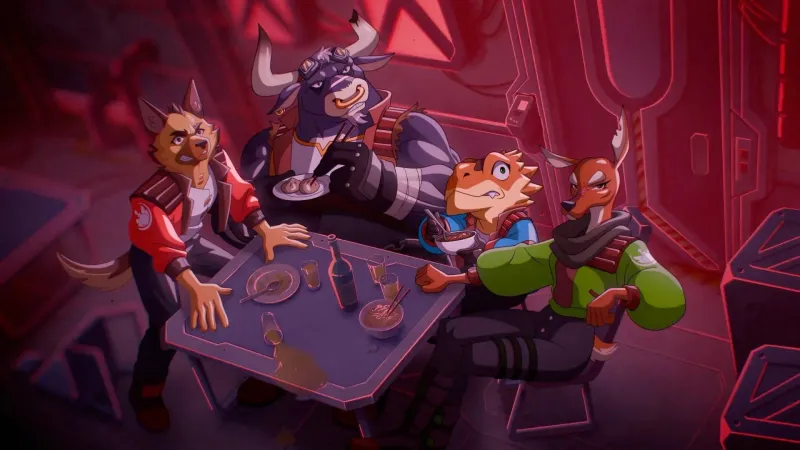
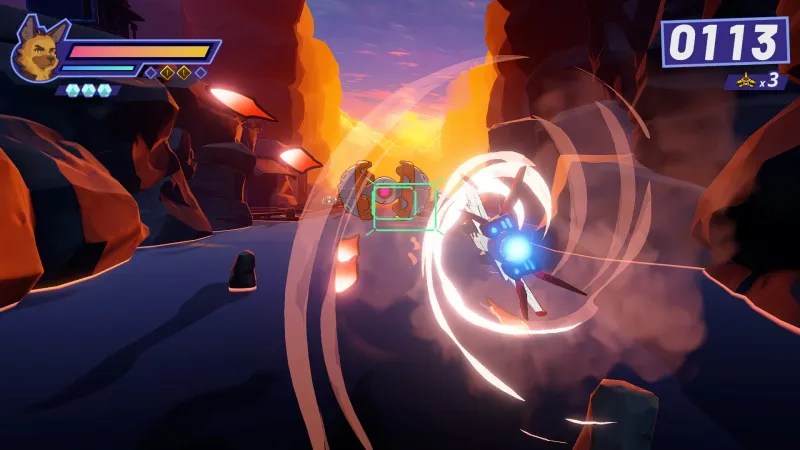
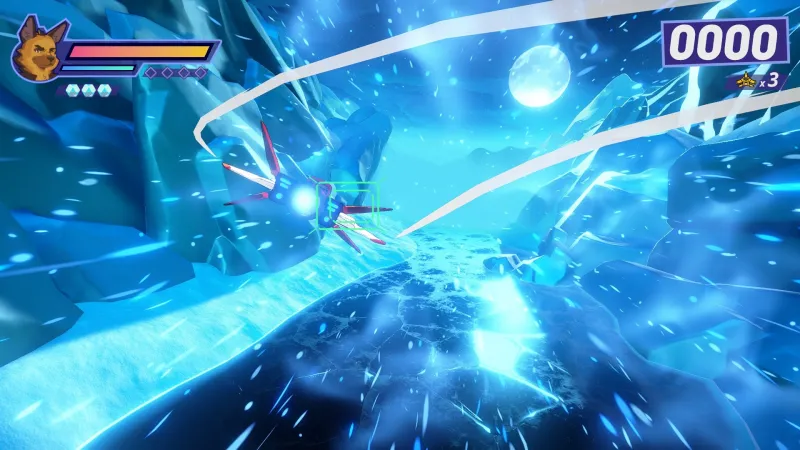
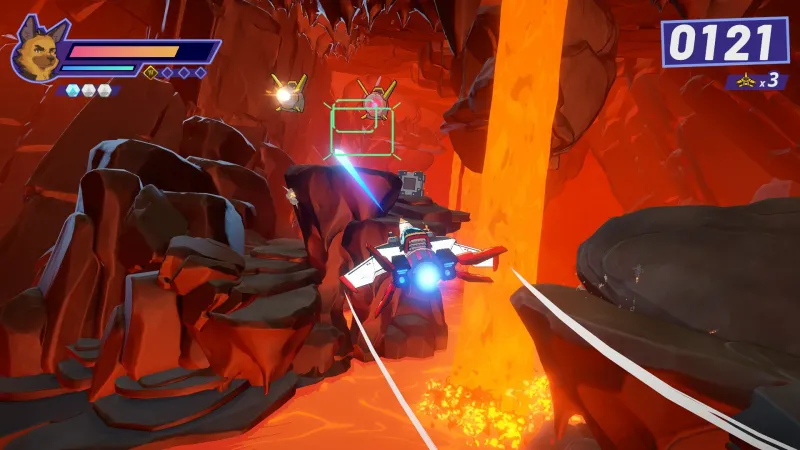
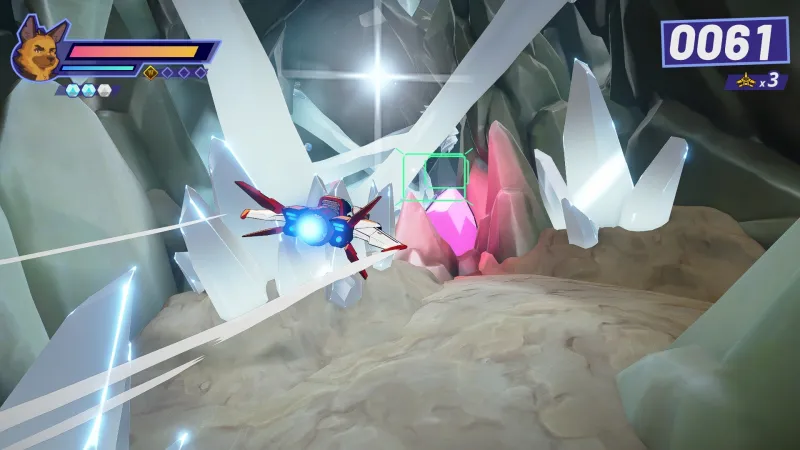
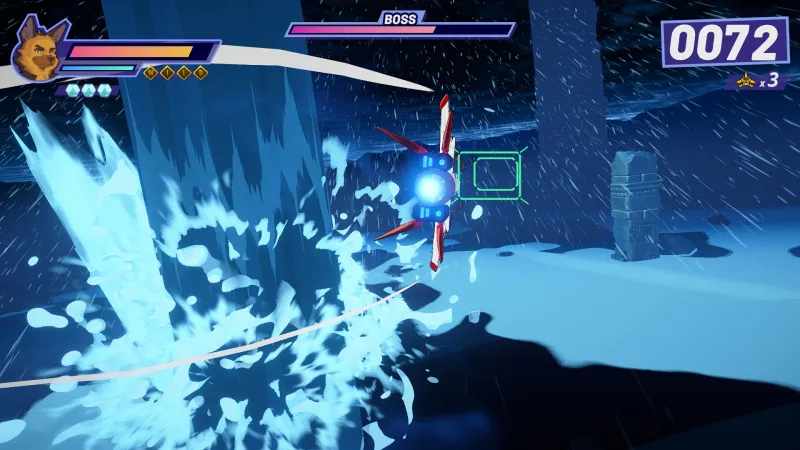
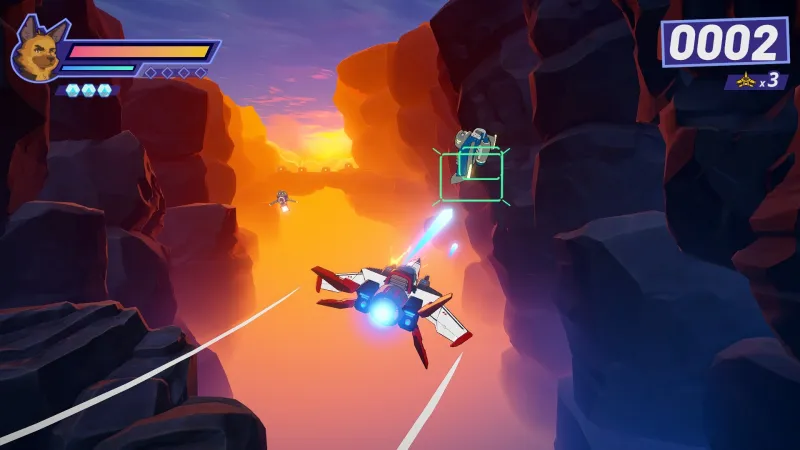
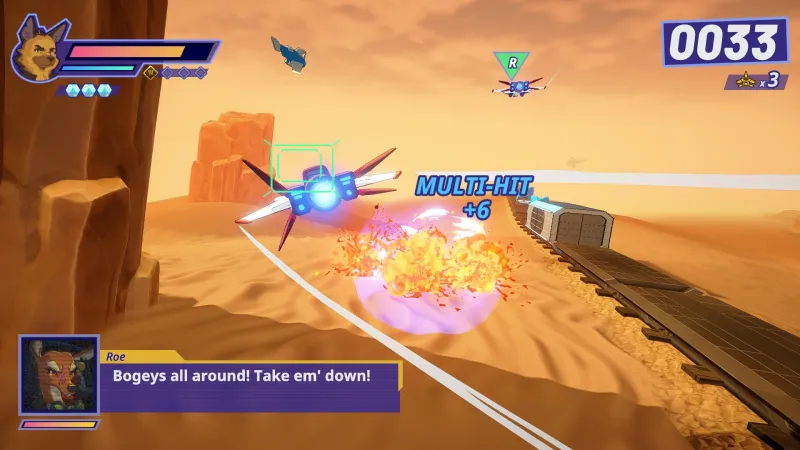
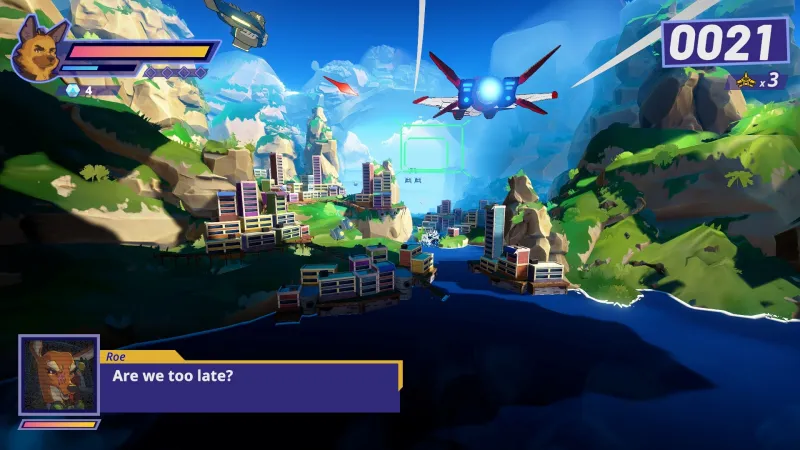
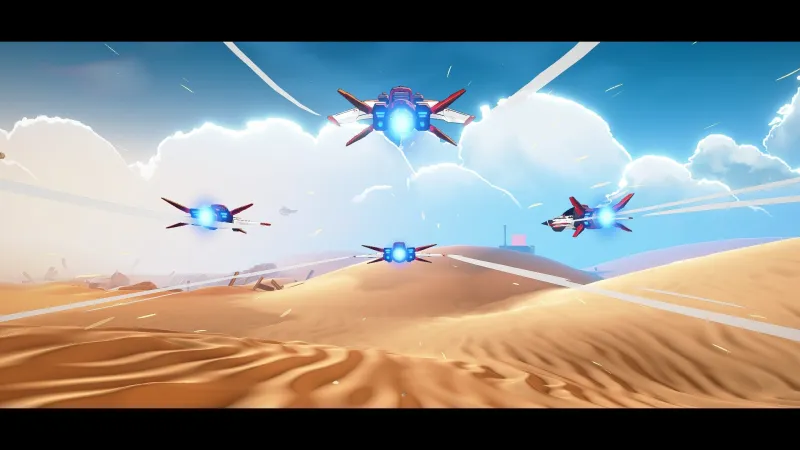
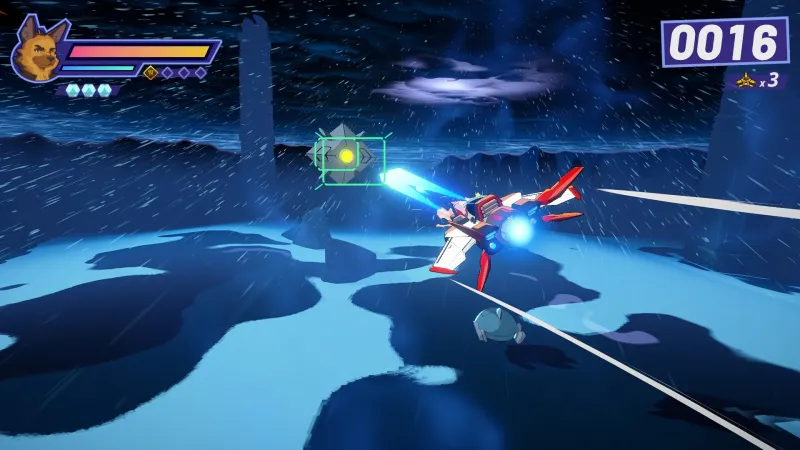
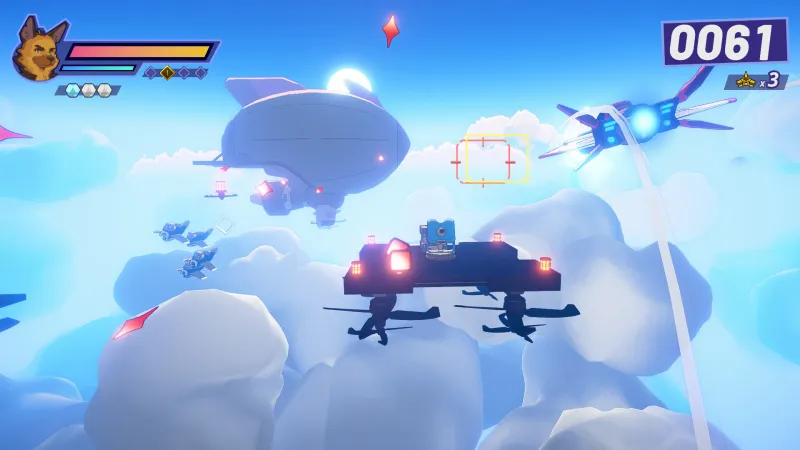
Wild Blue Skies is not shy about the video game experience it is trying to emulate. You are Bowie, an anthropomorphic dog in a spaceship making your way through a series of levels, most on rails, some taking place in small open areas, to defeat the evil Grimclaw, an anthropomorphic tiger with a giant cyborg head. Developer Chuhai Labs and Vitei Backroom Inc. are transparently presenting their take on Star Fox 64 – a noble and welcome endeavor – but many shortcomings prevent it from reaching the nostalgic heights of its inspirational arcade action game.
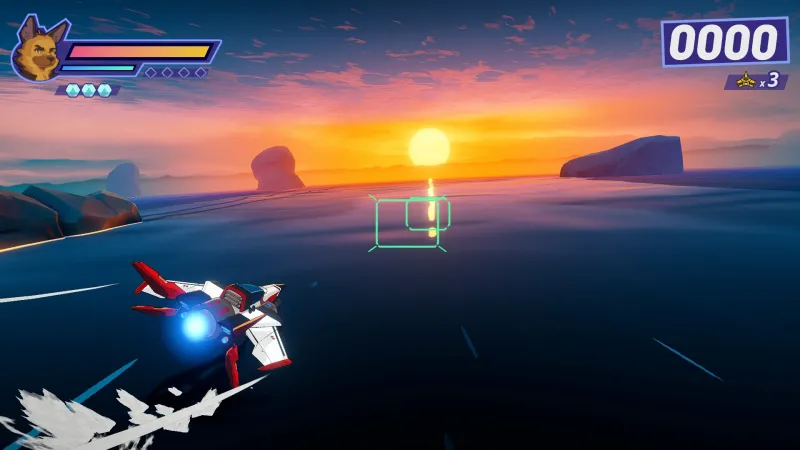
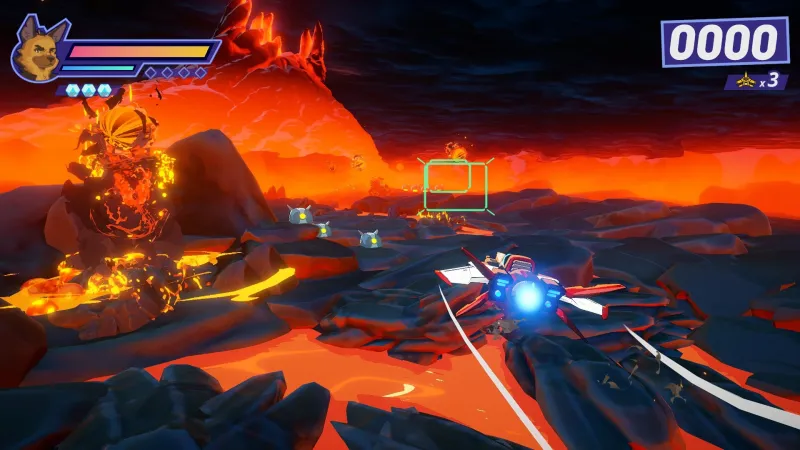
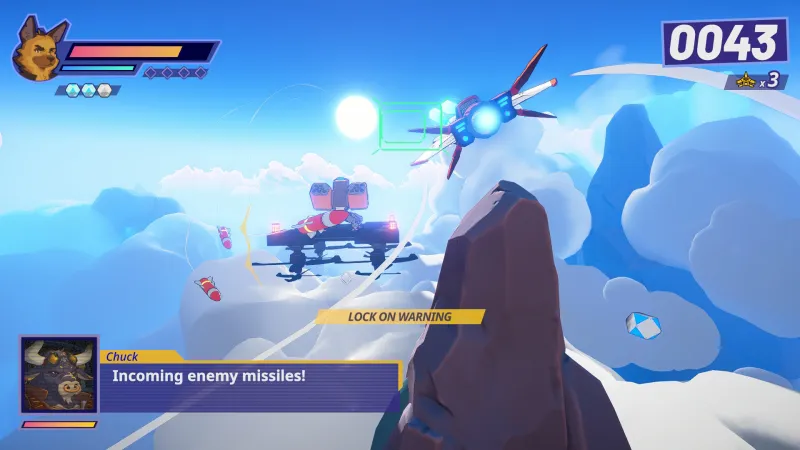
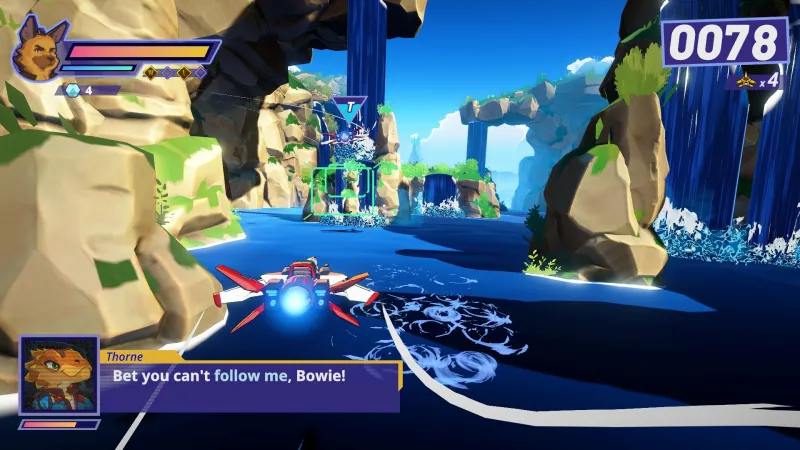
Mechanically, controlling your ship feels okay, but it dips into slog territory more often than I would like. The perspective of the reticle makes it hard to see what you’re firing at (and there is no first-person option), and hitting the occasional wall bounces you around like a pinball. It can be especially frustrating on the open-ended levels that are not on rails. Locking on and firing your standard lasers are also mapped to separate buttons, meaning you have to choose between the two actions, which is limiting. Also, the range to lock on to fire an extra powerful homing shot is too short. By the time I locked on to enemies, it was often too late, and the enemy had disappeared off-screen.
The look of Wild Blue Skies is attractive, though, with bright colors and cool ship designs. I like the look of the main cast and their performances, along with the performances of all the bosses and secondary characters. Everyone’s characterization, however, leaves a lot on the table. The bosses all boast and yell with unfounded confidence, and I felt bad when teammates complained when I accidentally (allegedly) shot them. But even with the quality acting, everyone is undefined and generic. Dialogue could be swapped among the characters, I don’t think I would even notice.
The levels offer some visual variety, but are also generic. Moving from a desert level to an ice level is a nice change of pace, but little has been done to make them feel novel. Also, many of the on-rails levels begin with characters pointing out the limited visibility, whether in a storm or from snow. Narratively, I like flying through a hurricane in a game like this, but when the elements keep making things hard to see, it feels like a story excuse for poor draw distance. When you do make it through the hailstorm, or the tornado, or the lava flows, the bosses at the end arguably take too long to defeat.
Like its Star Fox 64 inspiration, there are incentives to replay the campaign to chase different challenges and see the alternate paths. Seeing the game to credits is completely doable, but I got frustrated by moments of unfair challenge. Health drops are infrequent, and deaths are often the result of running into a stray enemy, bouncing against walls, or getting overwhelmed by screen-filling danger that I didn’t feel equipped to avoid. It made many defeats feel like the game’s fault rather than my own, which is especially annoying when burning through lives sends you back to the beginning of the campaign.
Bowie and pals’ adventure successfully impersonates the Star Fox 64 experience, but it’s an underwhelming impression. Nostalgic moments and satisfying action appear occasionally, but it pays homage to a fault and doesn’t find space to present its own personality. It has the unfortunate timing of releasing and being compared to this year’s Star Fox on Switch 2 – an excellent remake of Star Fox 64. But even if I did not have that game in my immediate memory, I would be hard-pressed to identify anywhere that it has improved on the genre with design lessons learned since 1997, or even risen to meet the ones that already existed even 30 years ago.
 Score:
5
Score:
5
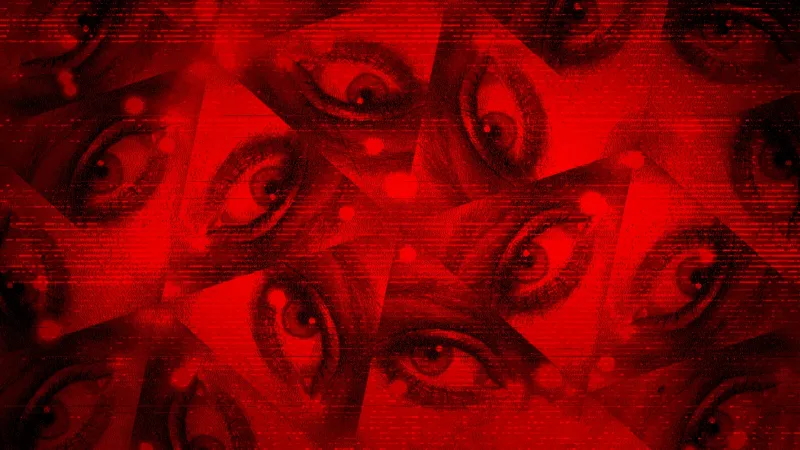
Half-Mermaid, the studio led by Sam Barlow, the mind behind games such as Immortality, Her Story, and Telling Lies, has announced its next project, Precognition. Described as a sci-fi horror adventure, the game is being made in collaboration with horror filmmaker Branden Cronenberg (Possessor, Infinity Pool).
Like previous Half-Mermaid titles, Precognition is a non-linear FMV adventure, meaning it features live-action scenes. The story centers on Diana, a woman who is implanted with an experimental brain implant that allows her to receive visions of the future. Diana is tasked with exploring these visions, focusing on specific moments, and committing them to her present-day memory, which will have consequences affecting how the future ultimately unfolds.
“We’ve really been trying to test the limits of non-linear storytelling, focusing on how the game feels to play, while encouraging player agency and freedom,” Half Mermaid co-founder Sam Barlow says in a press release. “We’ve pushed ourselves even harder with Precognition by bringing the feel of investigation and mystery games into a world of cause-and-effect, with a story that spins out as a consequence of your choices .”
Half-Mermaid has enlisted Brandon Cronenberg to co-develop and write Precognition. Cronenberg, the son of acclaimed filmmaker David Cronenberg, wrote and directed Infinity Pool (2023), Possessors (2020), and Antiviral (2012). According to Barlow, Cronenberg was the “perfect person” to work with due to his horror filmmaking expertise and his existing familiarity with Immortality and Her Story.
“The films I make tend to be subjective and experiential, with the horror emerging as one person’s perspective of the world warps around them,” Brandon Cronenberg says. “The games that Sam and the team have made over the years are subjective experiences by their very nature – no two people will have the same experience with them. So it’s the perfect place to explore these themes further”.
Precognition was first teased in January 2024 as Project C, one of two announced projects by Half Mermaid that also includes the yet-to-be-revealed Project D. Interestingly, Precognition had previously been advertised as being published under Blumhouse Games during Summer Game Fest 2024, but that no longer appears to be the case. Kinetic Publishing, the publishing arm of Phasmophobia developer Kinetic Games, has taken on funding duties and announced Precognition as part of a dedicated publisher showcase on August 12.
Precognition is set to launch in spring 2028 for PlayStation 5, Xbox Series X/S, Switch 2, and PC. To read more about the works of Sam Barlow/Half Mermaid, be sure to read our previous reviews for Telling Lies and Her Story.
Platform: Publisher: Nintendo Developer: Intelligent Systems Release: September 17, 2026
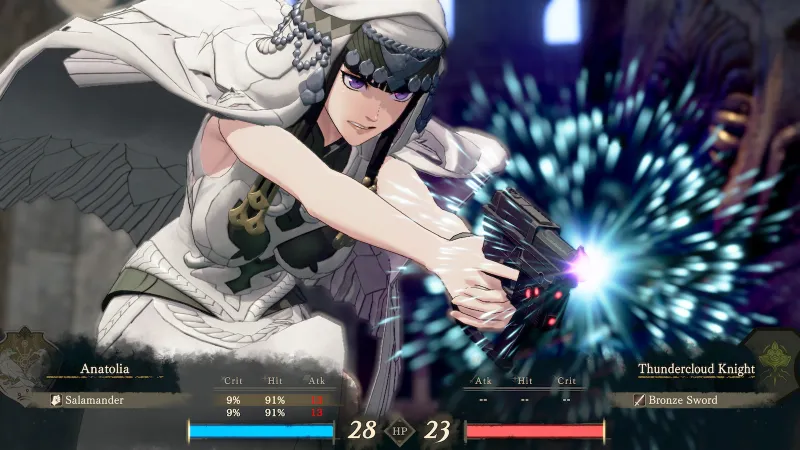
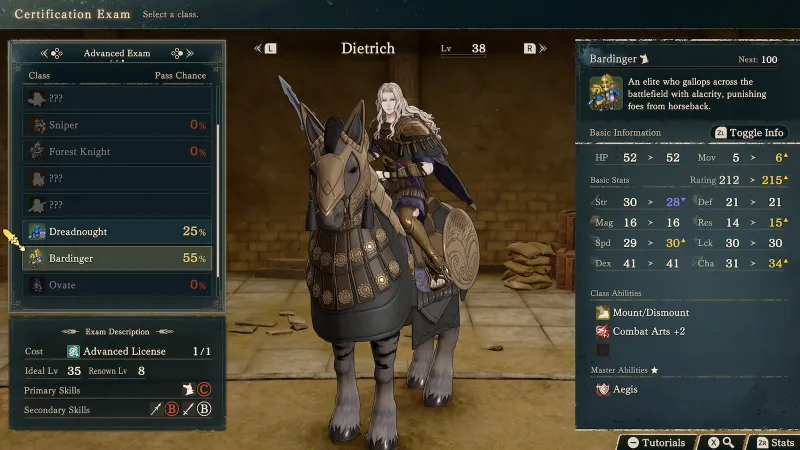
I went into the opening chapters of Fire Emblem: Fortune’s Weave with close to zero expectations. I knew there was a colosseum and that fights would happen there… and that’s about it. Now, hours into the game, I never could have expected what’s played out thus far. Fortune’s Weave looks back at the series, bringing forward systems from the past like Fire Emblem Gaiden’s dungeon crawling (which Japanese players experienced in 1992 before it was remade in 2017’s Fire Emblem Echoes: Shadows of Valentia); but it also looks forward, literally, with a sci-fi future where magic can be shot out of guns and flashback plotlines make up the primary narrative. It hasn’t quite coalesced into the gripping marriage of strategy gameplay and war and political intrigue typical of the series, but its early hooks have me searching for my Switch 2 any second of game time I can carve into my daily schedule.
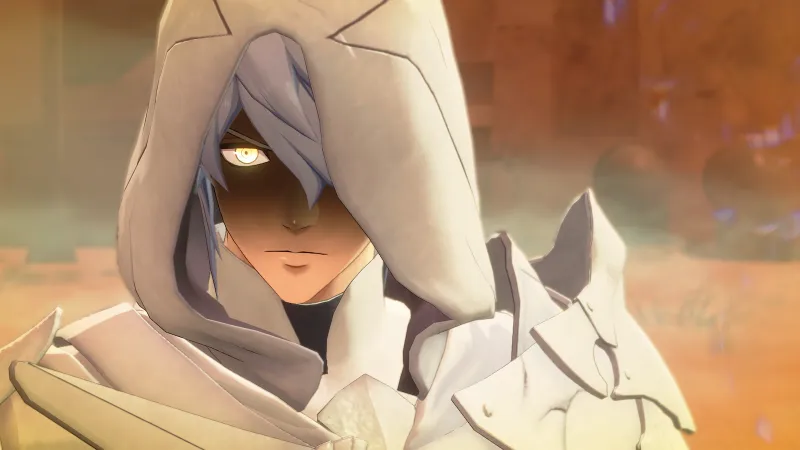
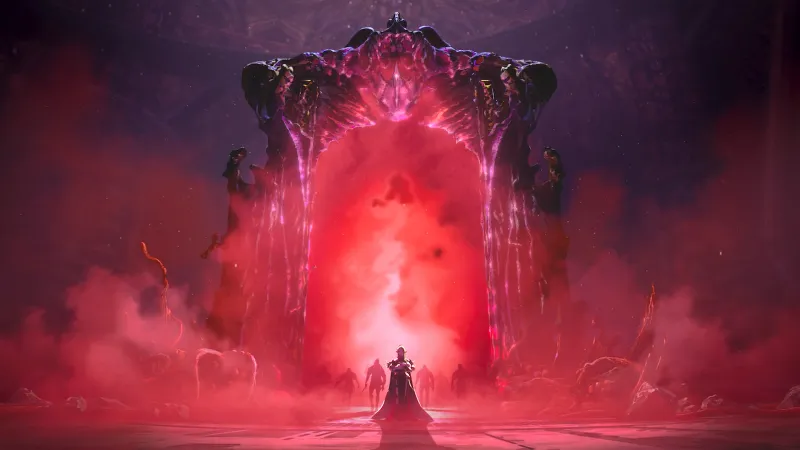
Fortune’s Weave wastes no time, throwing you right into a scenario I’m not sure I can entirely explain. But the hero you create using simple, to-the-point character customization options is playable only for a moment. Eventually, after seeing medi-dressed characters interact with advanced computer systems and magic guns ripped from the future, you will reach an Obelisk Chamber, and a bright-colored goddess (I think?) named Fortuna who speaks on behalf of Sothis, the young goddess from Fire Emblem: Three Houses. Sothis urges you to dive back into the past and rewrite the histories of fabled heroes so that they might help you in the seemingly apocalyptic present. Again, I think. A lot is going on, and what I’ve played in this preview-designated section is clearly just the placing of Fortune’s Weave’s first few chess pieces on the board.
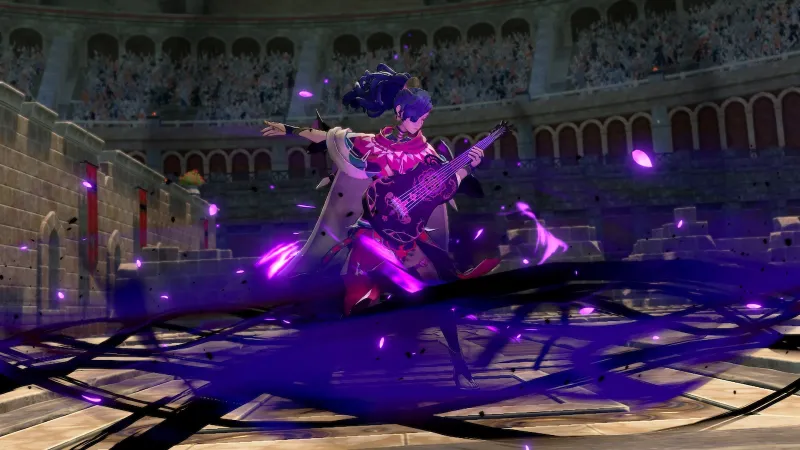
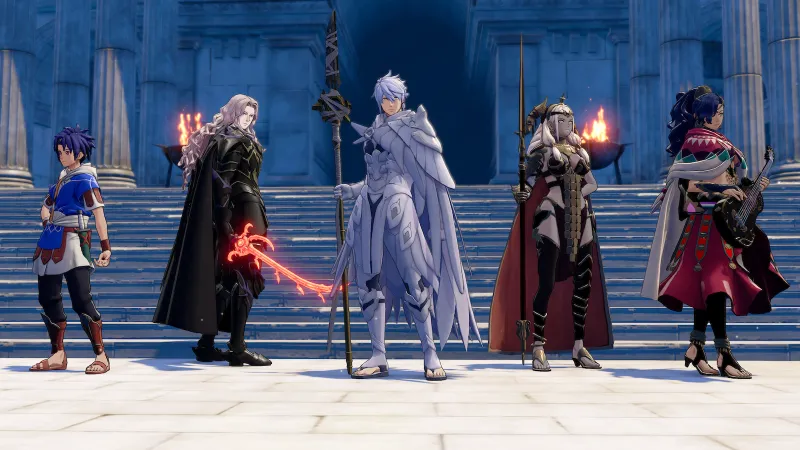
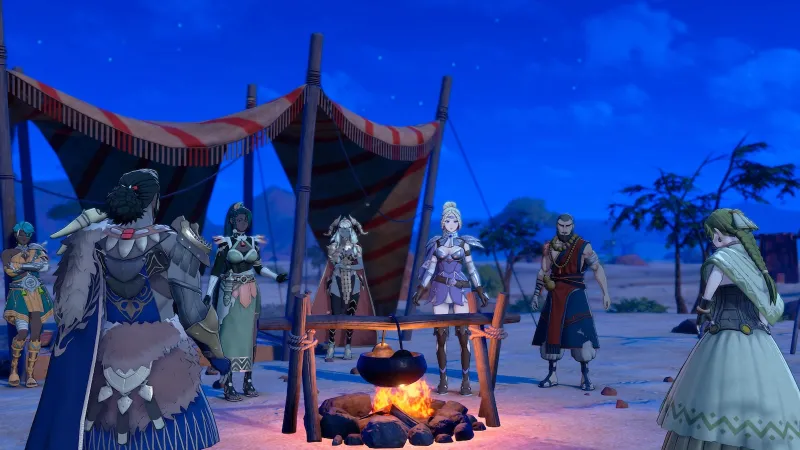
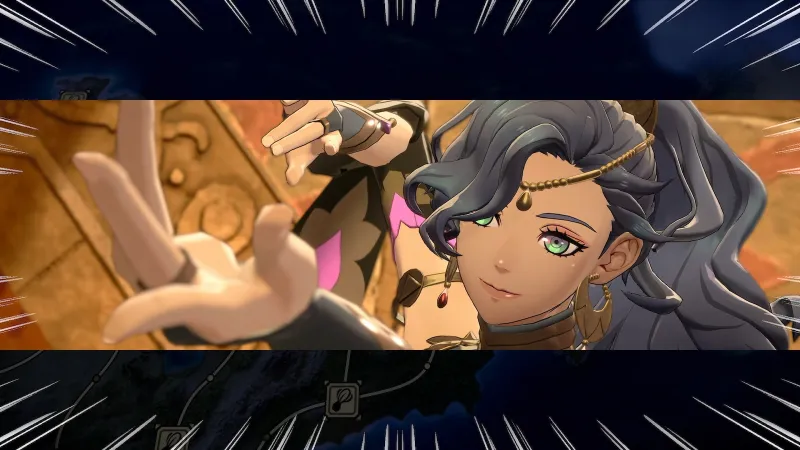
There are four obelisks to choose from, each with an associated hero-turned-fallen-warrior-who-has-now-become-an-evil-flame-lord from the past. After selecting one of the four, you’re thrust into a narrative that leads to Dagsion, the Dagdan Empire’s capital. The Heroic Games, Fire Emblem’s spin on ancient Roman colosseum fights and gladiator tournaments, take place here and it is where each obelisk hero plays a special role. Though I’m not privy to those roles yet, it’s been fun seeing how Leda, a magical bard with a bloodlust for her father’s murderer, arrives there.
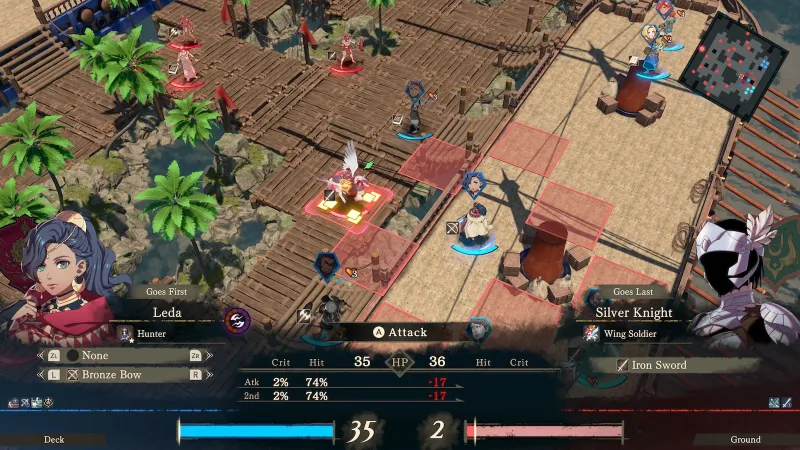
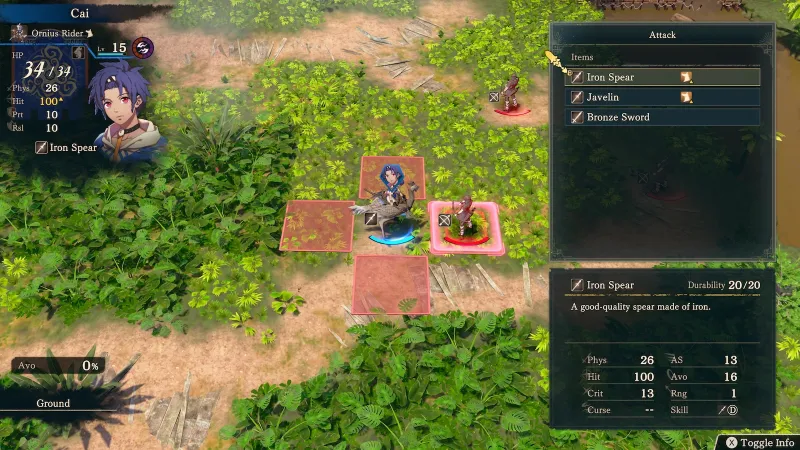
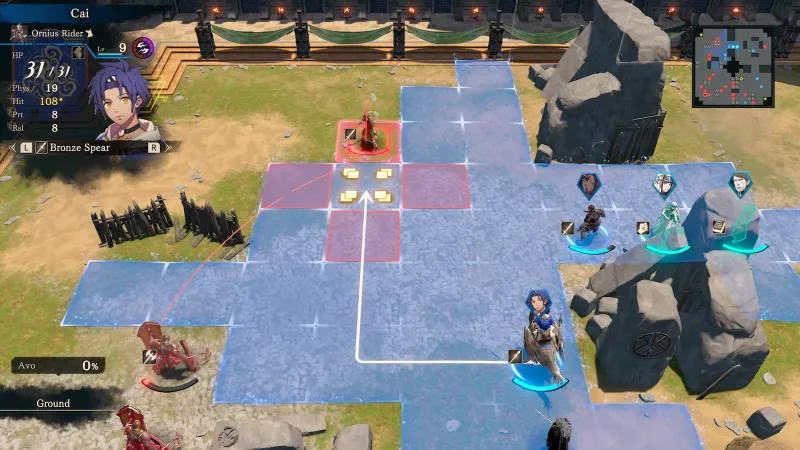
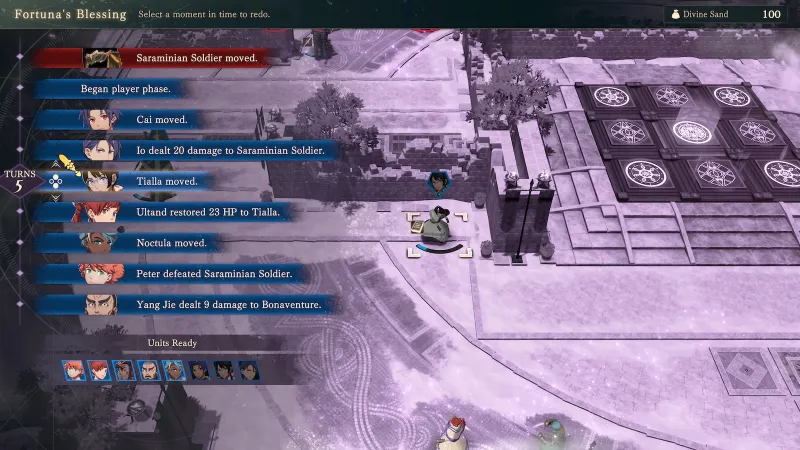
Leda’s life is ripped away from her as a girl – with her eyes set on revenge, she travels the world in search of clues and her next coin, wowing alehouse patrons with song and dance. I suspect each hero’s story flows into combat the way I’ve experienced it with Leda, who uses melodies from her mystical vihuela to buff nearby allies on the battlefield. That’s exactly what her Blaze Art does, a character-specific move that turns the tide when used correctly. But because it saps HP to do so, when and how you use it in the series’ trademark strategy grid-based battles matters. The same can be said for Combat Arts, which power up specific weapons but chip away at their durability. These two systems create new strings of tension on familiar grids, which is where the classic rock-paper-scissors style of turn-based strategy gameplay returns.
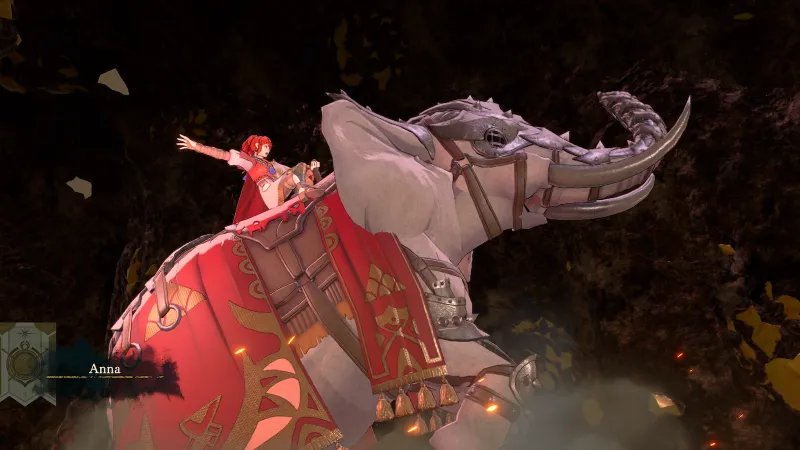
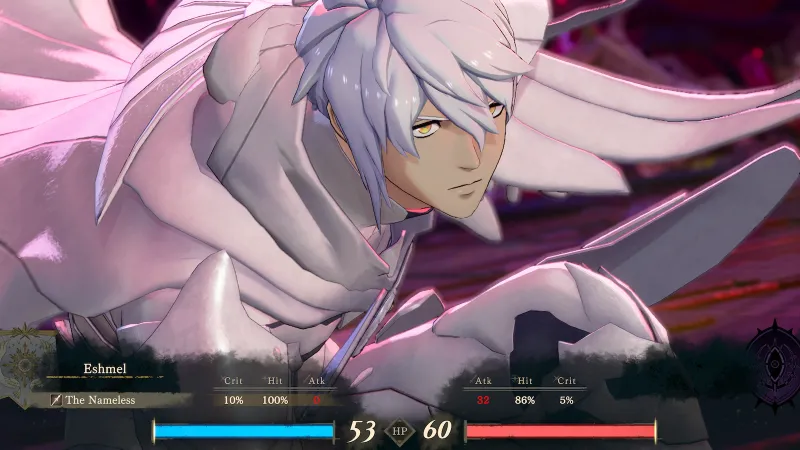
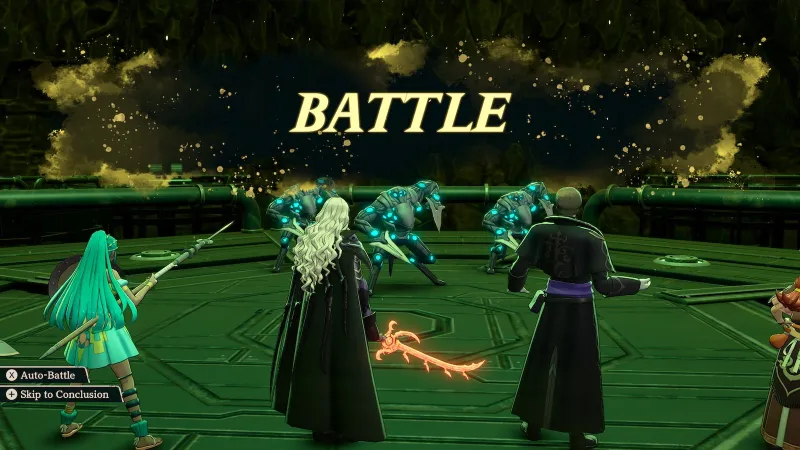
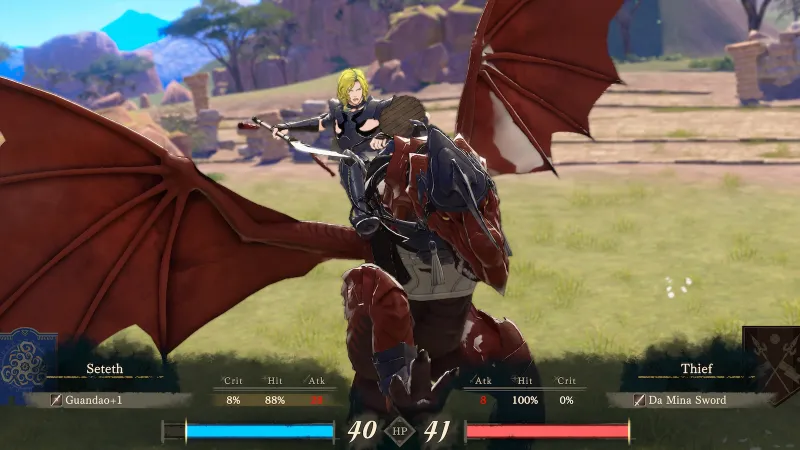
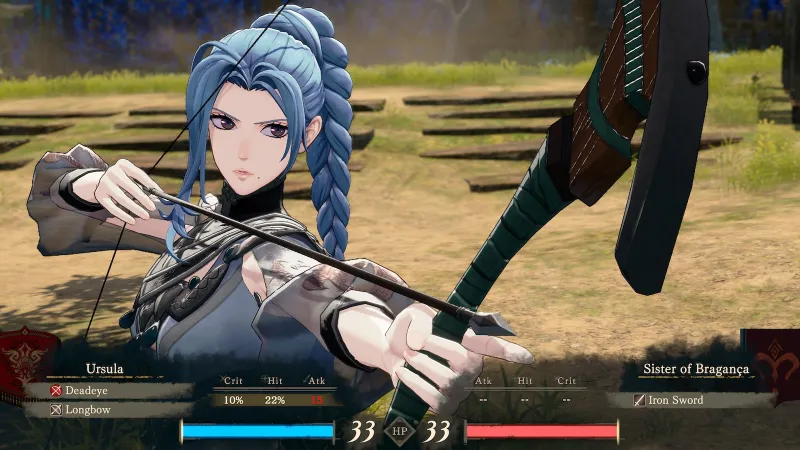
It remains satisfying to create forward pushes, flanks, and the like with intentional advances, and the accompanying battle animations are the best they’ve ever looked; the same can be said for all of Fortune’s Weave, which highlights Intelligent Systems' commanding artistic vision with the boon of power that comes from developing exclusively for Switch 2. While I’m happy to see dungeon crawling return, the associated turn-based combat (notably not grid-based battles) is so far underwhelming – a button to fast forward through these fights or skip to the conclusion screen entirely suggests a lack of confidence in these systems.
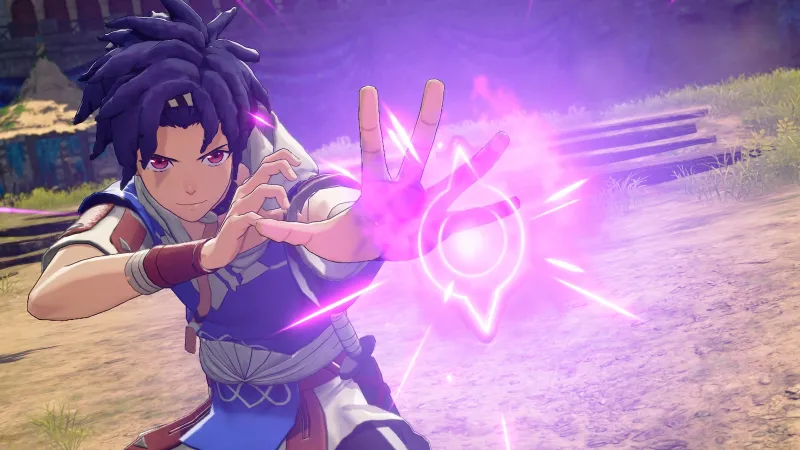
Game Informer video editor Eric Van Allen deliberately chose a different obelisk when prompted, instead peeking into the history of Cai, a teenager in search of a better life.
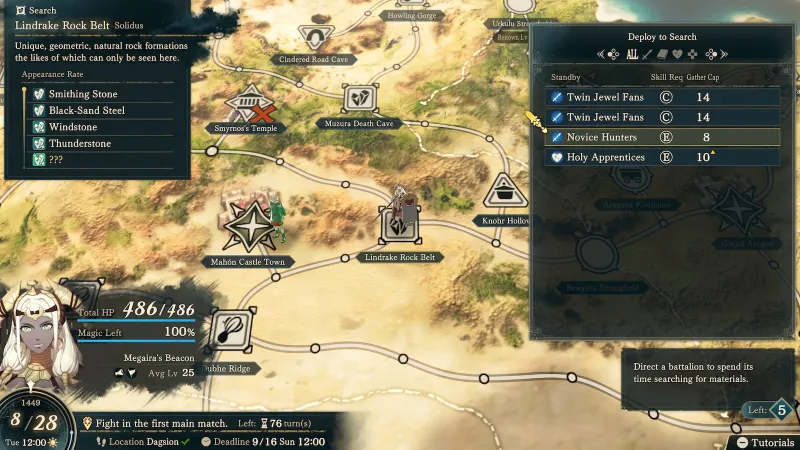
Cai is an optimistic, Shonen-esque hero who's stumbled into a greater lot in life than he realizes. It seems clear that he and his childhood pals' path through the Heroic Games will probably not be as lighthearted as they hope. Going on excursions outside Dagsion to build up their renown is enjoyable. Quests, hunts for useful resources, or just a quick trip out to see more of the outlying country net some good returns and spur on the idea of Cai slowly becoming as recognizable and formidable as the other lords.
There is still so much Fortune’s Weave left to go for both of us, but the hooks are in – it’s time to see where these obelisks take us, and I’m happy to say I have no idea where that will be.

RSS Error: WP HTTP Error: cURL error 60: SSL certificate OpenSSL verify result: unable to get local issuer certificate (20)